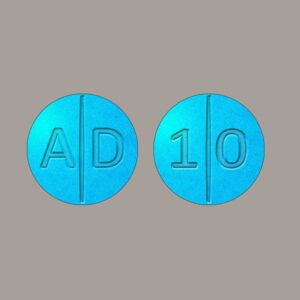
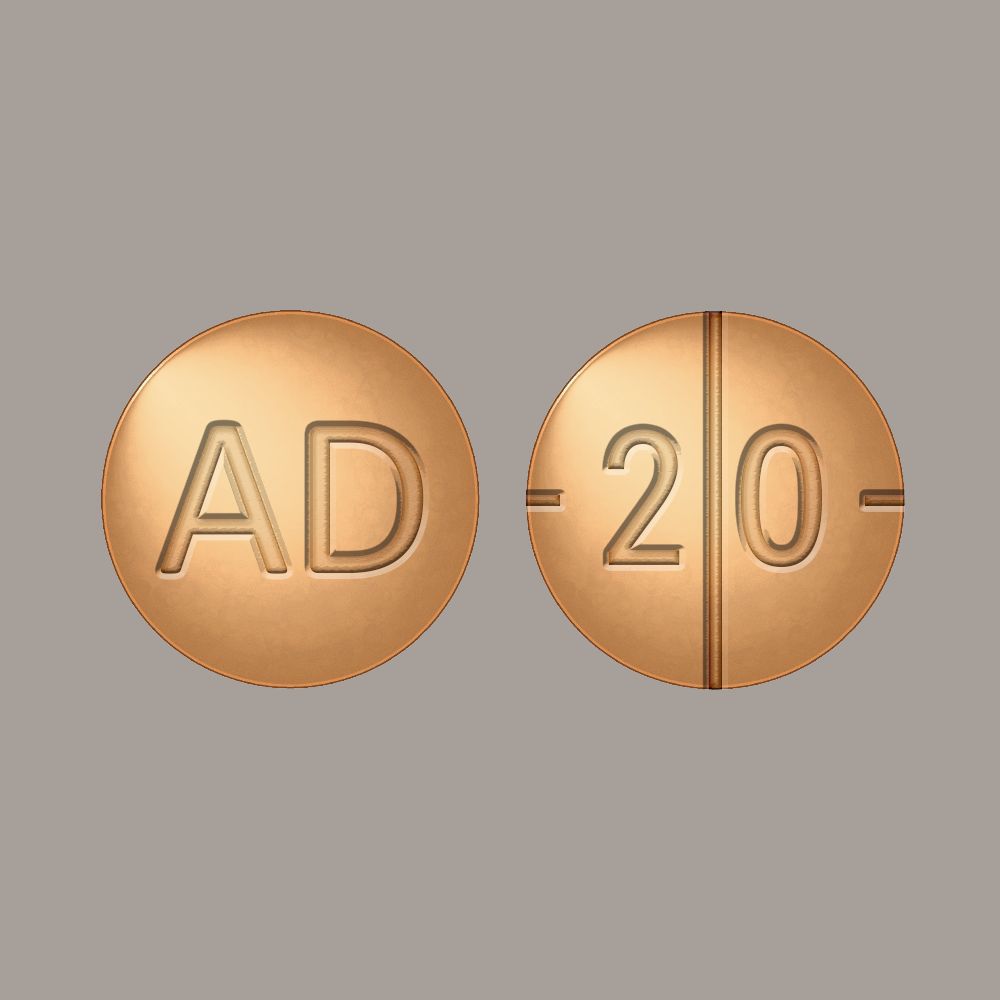
What is Adderall?
adderall side effects (mixed amphetamine and dextroamphetamine salts) is a central nervous system stimulant used to treat attention deficit hyperactivity disorder (ADHD) and a sleep disorder called narcolepsy. Adderall contains a combination of amphetamine and dextroamphetamine, which affect chemicals in the brain and nerves that contribute to hyperactivity and impulse control.
- For ADHD, Adderall is used in children 3 to 17 years of age and in adults. It may help increase attention and decrease impulsiveness and hyperactivity.
- For narcolepsy, Adderall is used in people 6 years and older.
Before taking this medicine
Do not use this medicine if you have taken an MAO inhibitor in the past 14 days. A dangerous drug interaction could occur. MAO inhibitors include isocarboxazid, linezolid, methylene blue injection, phenelzine, rasagiline, selegiline, tranylcypromine, and others.
You may not be able to use Adderall if you are allergic to any stimulant medicine. You may not be able to use Adderall if you have:
- glaucoma;
- overactive thyroid;
- severe anxiety or agitation (stimulant medicine can make these symptoms worse);
- high blood pressure;
- heart disease or coronary artery disease;
- vascular disease or hardening of the arteries; or
- a history of drug or alcohol addiction.
Some medicines can interact with amphetamine and dextroamphetamine and cause a serious condition called serotonin syndrome. Tell your doctor about any other medications you are using. Be sure your doctor knows if you also take opioid medicine, herbal products, or medicine for depression, mental illness, Parkinson’s disease, migraine headaches, serious infections, or prevention of nausea and vomiting. Ask your doctor before making any changes in how or when you take your medications. Symptom of serotonin syndrome may include agitation, hallucinations (hearing or seeing things that are not real), coma, fast heart rate, dizziness, sweating, feeling hot, muscle rigidity or shakiness, seizures, nausea, vomiting, or diarrhea. Stop Adderall immediately if you experience these symptoms.
How should I take Adderall?adderall side effects
Take Adderall exactly as prescribed by your doctor. Follow all directions on your prescription label. Your doctor may occasionally change your dose. Do not take this medicine in larger or smaller amounts or for longer than recommended.
Adderall may be habit-forming. Never share this medicine with another person, especially someone with a history of drug abuse or addiction. Keep the medication in a place where others cannot get to it. Selling or giving away this medicine is against the law.
Read all patient information, medication guides, and instruction sheets provided to you. Ask your doctor or pharmacist if you have any questions.
Adderall side effects
Get emergency medical help if you have signs of an allergic reaction to Adderall: hives, difficult breathing, or swelling of your face, lips, tongue, or throat.
Serious side effects
Adderall may cause serious side effects. Call your doctor at once if you have:
- signs of heart problems, such as chest pain, trouble breathing, or feeling like you might pass out
- signs of psychosis, such as hallucinations, new behavior problems, aggression, hostility, or paranoia
- signs of circulation problems, such as numbness, pain, a cold feeling, unexplained wounds, or skin color changes (pale, red, or blue appearance) in your fingers or toes
- a seizure
- muscle twitches (tics)
- changes in your vision.
See warnings above.
Slowing of growth (height and weight) in children
Children should have their height and weight checked often during treatment, and your healthcare provider may stop treatment if your child is not growing or gaining weight as expected.
Serotonin syndrome
This problem may happen when Adderall is taken with certain other medicines and may be life-threatening. Stop taking Adderall and get medical help right away if you develop agitation, hallucinations, fever, sweating, shivering, fast heart rate, muscle stiffness, twitching, loss of coordination, nausea, vomiting, or diarrhea.
Common side effects
Common side effects of Adderall may include stomach pain, loss of appetite, weight loss, mood changes, feeling nervous, fast heart rate, headache, dizziness, sleep problems (insomnia), and dry mouth.
This is not a complete list of side effects, and others may occur. Call your doctor for medical advice about side effects. You may report side effects to the FDA at 1-800-FDA-1088.
Dosing information
Usual adult dose for ADHD
Immediate-release (IR):
- Initial dose: 5 mg orally 1 or 2 times a day.
- Maintenance dose: the daily dose may be raised in 5 mg increments at weekly intervals until an optimal response is obtained.
- Maximum dose: only in rare cases will it be necessary to exceed 40 mg per day.
- The first dose should be given upon awakening, with 1 to 2 additional doses at intervals of 4 to 6 hours.
Extended-release (XR), for patients starting treatment for the first time or switching from another medication:
- Initial dose: 20 mg orally once a day.
Usual adult dose for narcolepsy/adderall side effects
Immediate-release (IR):
- Initial dose: 10 mg orally per day in divided doses.
- Maintenance dose: the daily dose may be raised in 10 mg increments at weekly intervals until an optimal response is obtained.
- The usual dose is 5 to 60 mg per day in divided doses, depending on the individual patient response.
- The first dose should be given on awakening, with 1 to 2 additional doses at intervals of 4 to 6 hours.
Usual pediatric dose for ADHD
Immediate-release (IR), ages 3 to 5 years:
- Initial dose: 2.5 mg orally per day.
- Maintenance dose: the daily dose may be raised in 2.5 mg increments at weekly intervals until an optimal response is obtained.
Immediate-release (IR), ages 6 to 17 years:
- Initial dose: 5 mg orally 1 or 2 times a day.
- Maintenance dose: the daily dose may be raised in 5 mg increments at weekly intervals until an optimal response is obtained.
- Maximum dose: only in rare cases will it be necessary to exceed 40 mg per day.
Extended-release (XR), ages 6 to 12 years:
- Initial dose: 5 or 10 mg orally once a day in the morning.
- Maintenance dose: the daily dose may be raised in 5 to 10 mg increments at weekly intervals.
- Maximum dose: 30 mg per day.