
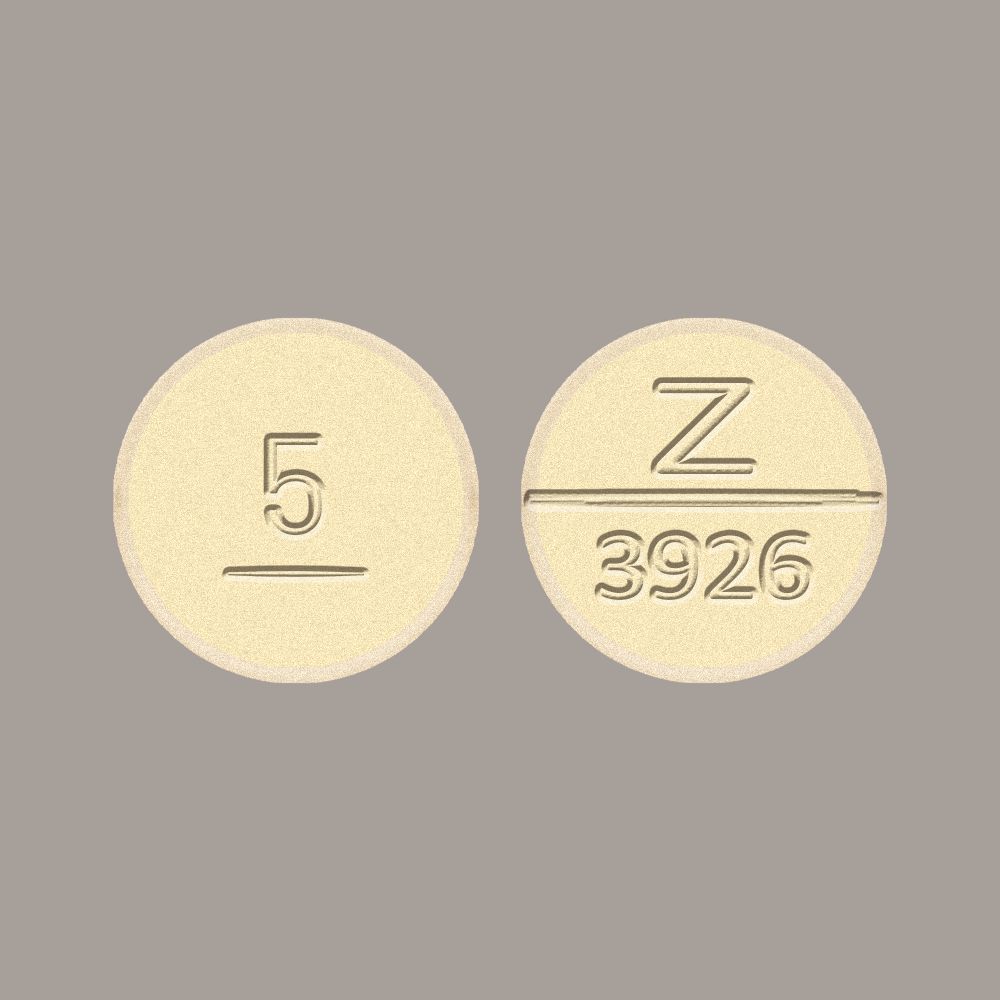
What is diazepam?
diazepam 5mg a benzodiazepine (ben-zoe-dye-AZE-eh-peen)). It is thought that benzodiazepines work by enhancing the activity of certain neurotransmitters in the brain.
is used to treat anxiety disorders, or alcohol withdrawal symptoms.diazepam uses
Diazepam is sometimes used with other medications to treat muscle spasms and stiffness, or seizures.
Before taking this medicine/diazepam 5mg
You should not use diazepam if you are allergic to it, or if you have:
- myasthenia gravis (a muscle weakness disorder);
- a severe breathing problem;
- sleep apnea (breathing stops during sleep);
- narrow-angle glaucoma;
- untreated or uncontrolled open-angle glaucoma; or
- severe liver disease.
Diazepam should not be given to a child younger than 6 months old. Do not give this medicine to a child without a doctor’s advice.diazepam 5mg
To make sure this medicine is safe for you, tell your doctor if you have ever had:
- breathing problems;
- glaucoma;
- kidney or liver disease;
- seizures (unless you are taking to treat a seizure disorder);
- a drug or alcohol addiction; or
- depression, a mood disorder, or suicidal thoughts or behavior.
How should I take diazepam?diazepam 5mg
Take diazepam exactly as prescribed by your doctor. Follow the directions on your prescription label and read all medication guides or instruction sheets. Never use in larger amounts, or for longer than prescribed. Tell your doctor if you feel an increased urge to use more of this medicine.
Never share this medicine with another person, especially someone with a history of drug addiction. MISUSE CAN CAUSE ADDICTION, OVERDOSE, OR DEATH. Keep the medicine where others cannot get to it. Selling or giving away this medicine is against the law.
Measure liquid medicine with the supplied measuring device (not a kitchen spoon).
should be used for only a short time. Do not take this medicine for longer than 4 months without your doctor’s advice.
Do not stop using without asking your doctor. You may have increased seizures or life-threatening withdrawal symptoms if you stop using the medicine suddenly after long-term use.
You will need frequent medical tests.
Store at room temperature away from moisture, heat, and light. Keep your medicine in a place where no one can use it improperly.
Diazepam oral tablet is used for short-term treatment. It comes with serious risks if you don’t take it as prescribed.
If you miss a dose: Take it when you remember, but don’t take more than the prescribed dosage per day. Never try to catch up by taking two doses at once. This could cause toxic side effects.
If you don’t take it as prescribed: Your symptoms (anxiety, tremors or agitation from alcohol withdrawal, muscle spasms, or seizures) won’t get better.
If you suddenly stop taking it: You may have withdrawal symptoms, such as:
- tremors
- stomach and muscle cramps or pain
- vomiting
- sweating
- headache
- extreme anxiety
- tension
- restlessness
- confusion
- irritability
- hallucinations
- seizures
The risks of withdrawal are greater if you’ve been taking diazepam either at a higher dose or for a long time. (Withdrawal symptoms can occur when a person suddenly stops taking a drug their body is dependent on. Dependence refers to the body needing a drug to function as usual.)
If you take too much: Taking too much of this drug can cause depression of your central nervous system (CNS). Symptoms include:
- drowsiness
- confusion
- tiredness
- poor reflexes
- slowing or stopping of your breathing
- dangerously low blood pressure
CNS depression can cause coma and even be fatal. If you think that you’ve taken too much, call your doctor or go to the emergency room right away. You may be given the drug flumazenil to reverse a benzodiazepine overdose. This drug may increase your risk of seizures.
How to tell the drug is working: Depending on what you’re using diazepam for, you will notice your symptoms (such as anxiety, agitation and tremors from alcohol withdrawal, muscle spasms, or seizures) decrease or stop.
It’s not known whether diazepam is safe and effective for long-term use (specifically, longer than 4 months). Your doctor will regularly reassess your condition to determine whether diazepam is still appropriate for you to take.
Diazepam can interact with several other medications. Different interactions can cause different effects. For instance, some can interfere with how well a drug works, while others can cause increased side effects.
Below is a list of medications that can interact with diazepam. This list does not contain all drugs that may interact with diazepam.
Before taking diazepam, be sure to tell your doctor and pharmacist about all prescription, over-the-counter, and other drugs you take. Also, tell them about any vitamins, herbs, and supplements you use. Sharing this information can help you avoid potential interactions.
If you have questions about drug interactions that may affect you, ask your doctor or pharmacist.
Examples of drugs that can cause interactions with diazepam are listed below.
Acid-suppressing drugs/diazepam 5mg
These drugs make it harder for the body to absorb diazepam. If you take them together, you may not get the full dose of diazepam, and it may not work as well. These drugs include:
- famotidine (Pepcid AC)
- omeprazole (Prilosec)
- pantoprazole (Protonix)
Allergy or cold drugs
Taking certain drugs that treat allergies or colds along with diazepam can increase your risk of drowsiness or sleepiness. It can also cause your breathing to slow down or stop. These drugs include:
- diphenhydramine (Benadryl)
- chlorpheniramine
- promethazine (Phenergan)
- hydroxyzine
Antidepressants
Taking certain antidepressants with diazepam can increase your risk of drowsiness or sleepiness. It can also cause your breathing to slow down or stop. These drugs include:
- amitriptyline
- nortriptyline (Pamelor)
- doxepin (SIlenor)
- mirtazapine (Remeron)
- trazodone
Antifungal drugs
These drugs block the enzyme that breaks down diazepam. This can increase the levels of diazepam in your body, putting you at higher risk of side effects such as drowsiness. These drugs include:
- ketoconazole
- fluconazole (Diflucan)
- itraconazole (Sporanox)
Antipsychotic drugs
Taking certain antipsychotic drugs with diazepam can increase your risk of drowsiness or sleepiness. It can also cause your breathing to slow down or stop. These drugs include:
- haloperidol (Haldol)
- chlorpromazine
- quetiapine (Seroquel)
- risperidone (Risperdal)
- olanzapine (Zyprexa)
- clozapine (Clozaril)
Anxiety drugs
Taking certain anxiety drugs with diazepam can increase your risk of drowsiness or sleepiness. It can also cause your breathing to slow down or stop. These drugs include:
Motion sickness drugs/Diazepam 5mg
Taking certain motion sickness drugs with diazepam can increase your risk of drowsiness or sleepiness. It can also cause your breathing to slow down or stop. These drugs include:
- meclizine (Antivert)
- dimenhydrinate (Dramamine)
Other antiseizure drugs
Taking certain antiseizure drugs with diazepam can increase your risk of drowsiness or sleepiness. It can also cause your breathing to slow down or stop. These drugs include:
- phenobarbital (Sezaby)
